Furnace and Heat Pump Repair in Marietta, GA
Gas furnaces that won't light, heat pumps stuck on defrost and burners that cut out after a minute, found and fixed with the price written first.
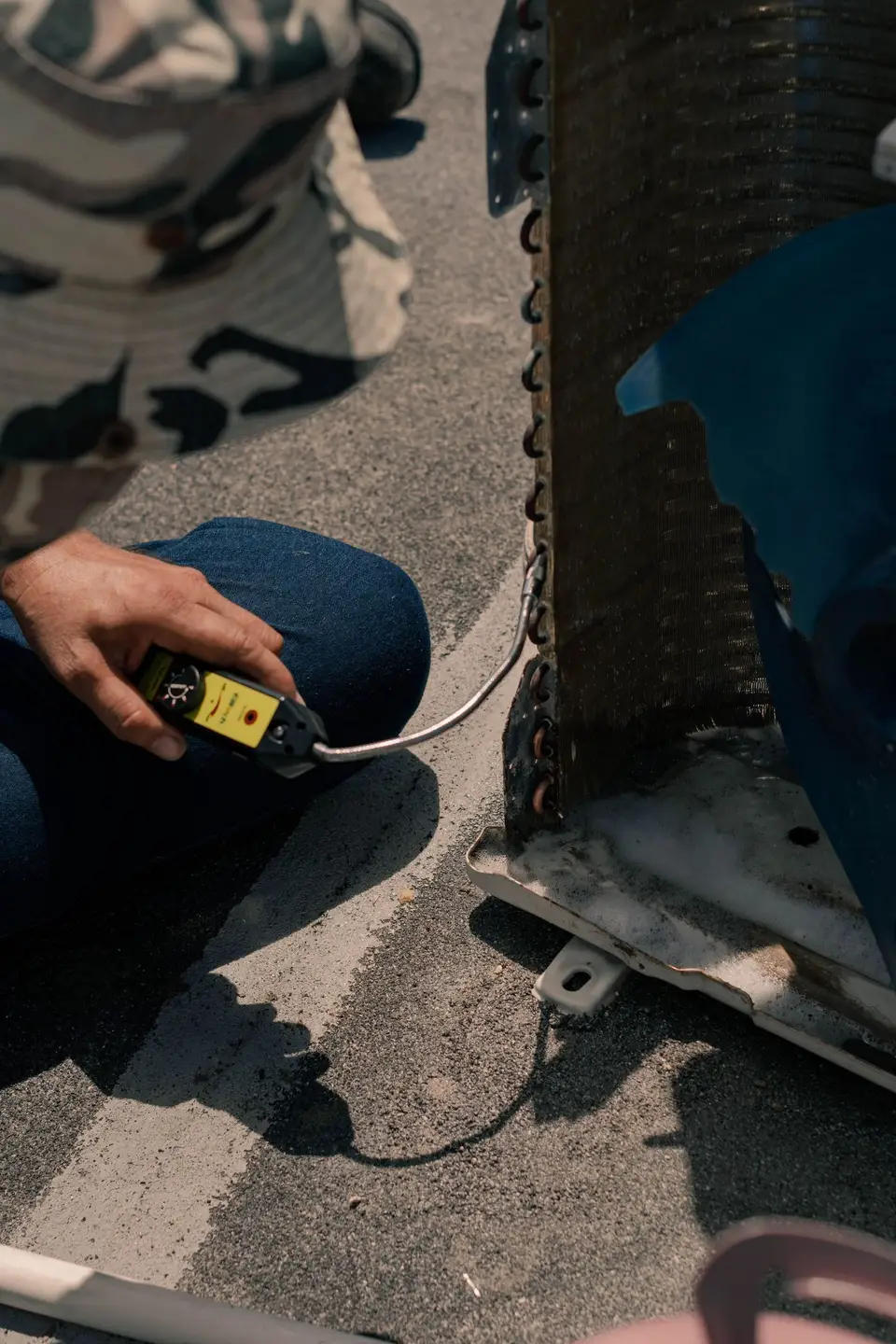
Furnace and heat pump repair in Marietta usually begins on the first cold morning of the year. A furnace or heat pump that sat idle from April to November gets asked to work all at once, and whatever wore out last winter or dried out over the summer shows up then. The phone rings most in the week of the first hard freeze, and the faults are usually the same handful, whichever town the house is in.
Most homes in Cobb County heat with a gas furnace, often paired with a central air conditioner. Newer homes and many renovations use a heat pump, sometimes with a gas furnace as backup in a setup called dual fuel. We repair all three, and the visit starts the same way: readings first, the price in writing second, the repair third.
Gas furnace faults we see most
- Dirty flame sensors. A thin rod that proves the burners are lit. When it gets coated, the furnace lights and quits after a few seconds, over and over. Cleaning it is quick, and it is one of the most common winter calls in the county.
- Failed hot surface igniters. The igniter glows to light the gas. It is brittle and wears out with age, and a cracked one means the furnace never lights at all.
- Pressure switch and venting problems. Before the furnace lights, the inducer fan pulls the exhaust out through the flue, and a pressure switch confirms it. A blocked flue, a cracked hose, water in the line or a tired inducer motor stops the sequence there.
- Limit switch trips. When the furnace overheats, usually from a clogged filter or closed vents, the high limit switch shuts the burners off. The furnace cycles on and off and never warms the house.
- Blower motors and capacitors. If the burners light but no warm air reaches the rooms, the blower may have failed or its capacitor may be weak.
- Control boards. The board runs the whole sequence and flashes a code when something goes wrong. The code narrows the search but does not end it, so the tech tests the part the code points to before replacing anything.
Heat pump faults
A heat pump moves heat instead of making it, so it fails in different ways. The usual causes are a defrost control or outdoor sensor that has stopped working, a reversing valve that sticks in cooling mode, a weak capacitor, low refrigerant from a leak, or backup heat strips that run all day because the heat pump itself is not keeping up. That last one often shows up first on the power bill, not in the comfort of the house.
Safety checks on every heating visit
A gas furnace burns fuel inside your home, so every heating call includes a set of checks beyond the part that failed. The tech looks at the flame, tests the flue draft, measures carbon monoxide at the furnace and in the supply air, and checks the heat exchanger for cracks where it can be seen. The gas connection is checked for leaks.
If the tech finds a cracked heat exchanger or a venting problem that lets exhaust into the home, the furnace is shut off and tagged before the visit ends. You see what was found, on camera where the crack is out of plain view, and you get a written quote for the safe fix. We never leave a furnace running that we believe is unsafe.
What the visit looks like
You describe what the system is doing, and it helps to mention any code blinking on the furnace board. A photo of the code sent by text often lets the tech bring the right part. On site, the tech runs the system, watches the sequence step by step and takes readings until the fault is clear.
The repair price goes on paper before work starts. Common parts such as igniters, flame sensors, pressure switches, capacitors and many blower motors are on the van, so most heating repairs are done in one visit. When a part has to be ordered, you hear how long it will take, and the tech makes the home as safe and warm as possible until it arrives, for example by running a heat pump on its backup heat.
Before you call
A few checks can save a visit. Make sure the thermostat is set to heat and the setting is above room temperature. Replace the thermostat batteries if it has them. Check that the furnace switch, which looks like a light switch on or near the unit, is on. Look at the filter, since a clogged one can trip the limit switch. On a gas furnace, check that the gas valve is open and that other gas appliances in the home are working.
If none of that helps, or if you smell gas, leave the house first and call the gas company before calling us.
After the repair
The tech runs the system through a full heating cycle, measures the air temperature at the supply vents and checks the safety controls once more. You get a note of what was found and replaced and anything worth keeping an eye on.
A fall heating check on a maintenance plan catches most of these faults before the first freeze, when a visit is easy to book. For a system that is past the point where repairs make sense, the system replacement page explains how we size and quote a new furnace or heat pump.
Where we work
- Heating repair in Marietta, GAFrom the older brick homes near the Square to the newer neighborhoods out toward East Cobb, we repair, tune up and replace heating and cooling systems across Marietta.
- Heating repair in Kennesaw, GATwo-story homes from the 1990s and 2000s with the furnace in the attic and a second system upstairs, many of them now reaching the age where parts start to fail.
- Heating repair in Smyrna, GATownhomes, renovated ranches and new infill houses close to the city, where tight closets and crawlspace ducts shape every repair.
Guides
- Getting Your Heat Ready for a Georgia Cold SnapGetting your heat ready for a Georgia cold snap. What to check on a furnace or heat pump in the fall, what to do when the freeze arrives and when to call.
- What a Furnace Repair Costs in Marietta, and WhyWhat a furnace repair costs in Marietta and what moves the price. Visit fees, common parts, after-hours rates, written quotes and when to ask for a second opinion.
- Repair or Replace a Furnace or AC in Cobb County?Repair or replace a furnace, AC or heat pump in Cobb County? Age, repair size, safety, comfort and efficiency, weighed in plain words, with the questions to ask.
- Six Things to Check Before You Call for HVAC ServiceSix things to check before you call for HVAC service. Thermostat, filter, breakers, the furnace switch, the drain pan and the outdoor unit, explained step by step.
Questions about heating repair
My furnace lights and then shuts off after a few seconds. What is wrong?
The most common cause is a dirty flame sensor. The furnace lights, the sensor fails to confirm the flame, and the control board shuts the gas off for safety. A clean sensor often fixes it. A blocked vent, a bad pressure switch or a cracked heat exchanger can cause the same pattern, which is why the tech checks those too.
Is it normal for a heat pump to steam and go quiet in winter?
Yes, within limits. On cold, damp mornings the outdoor coil frosts over, and the heat pump runs a defrost cycle that melts it, often with a cloud of steam and a pause of a few minutes. If the coil stays caked in ice or the defrost runs constantly, book a visit.
Should I worry about a carbon monoxide alarm going off?
Yes. Leave the house, call 911 or the gas company from outside, and do not go back in until they say it is safe. Then book a furnace visit. A furnace with a cracked heat exchanger or a blocked flue can push carbon monoxide into the home, and the tech checks both.
Can you repair an older furnace or is replacement the only option?
Most older furnaces can be repaired, and most heating calls end with a repair. The exception is a cracked heat exchanger, which cannot be safely fixed. If the tech finds one, you see it on camera, the furnace is shut off for safety and you get a written replacement quote.