Getting Your Heat Ready for a Georgia Cold Snap
Getting your heat ready for a Georgia cold snap takes about an hour of your time in October, and it can save you a cold night in January. Winters around Marietta are mild most of the time, which is exactly the problem. A furnace or heat pump can sit almost unused from March to November, and then a front drops the low into the teens and every system in the county is asked to run flat out for days. The ones with a weak part fail together, and the phones at every heating company ring at once.
This guide covers what you can check yourself, what a fall heating visit adds and what to do when the freeze is already here.
Start with a test run in October
The single most useful thing you can do is turn the heat on before you need it. Pick a cool evening in October, set the thermostat a few degrees above the room temperature and let it run for 20 to 30 minutes.
On a gas furnace, you should hear the inducer fan start, then the click of the igniter, then the burners lighting with a soft whoosh, and after a minute or so the blower pushing warm air. A faint smell of burning dust for the first few minutes is normal, because dust settles on the burners over the summer. If the burners light and shut off after a few seconds, over and over, the flame sensor probably needs cleaning. If nothing lights at all, the igniter may have failed.
On a heat pump, the outdoor unit should start, and the air from the vents should feel warm, though not as hot as furnace air. If the air feels cold, or the outdoor unit does not run, something needs a look.
The checks you can do yourself
- Change the filter. A clogged filter makes a furnace overheat and shut itself off on the limit switch. Start the season with a clean one.
- Test the thermostat. Replace its batteries if it has them, and check that it switches to heat and calls for it when you raise the setting.
- Clear the vents and returns. Furniture, rugs and boxes over the vents and returns choke the airflow. Move them.
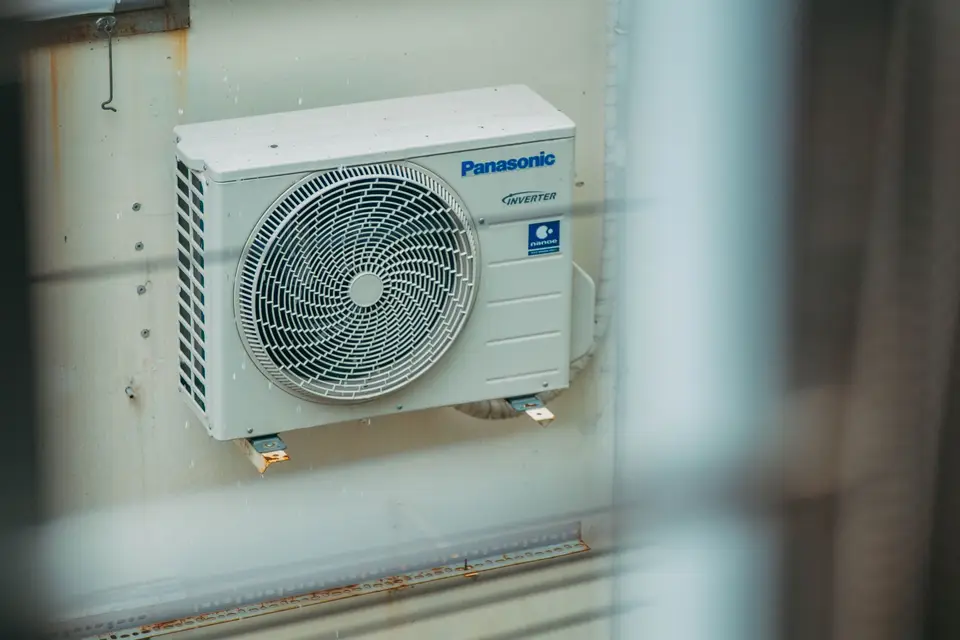
- Clear the outdoor unit. On a heat pump, pull leaves and pine straw away from the outdoor unit and leave a couple of feet of space around it.
- Test the carbon monoxide alarms. Every home with a gas furnace should have one near the bedrooms and one near the furnace. Press the test button, and replace any alarm past the date printed on it.
- Look at the flue. On a gas furnace, check that the metal or plastic vent pipe is connected at every joint and that nothing has fallen against it.
What a fall heating visit adds
Some checks need tools and training. A fall visit from a tech cleans the flame sensor and the burners, tests the igniter, checks the inducer and the pressure switch, tests the limit switches, checks the flue draft and measures carbon monoxide at the furnace and in the supply air. Where the heat exchanger can be seen, the tech looks for cracks.
On a heat pump, the visit tests the defrost control and the outdoor sensor, checks the reversing valve, measures the refrigerant charge in heating mode and tests the backup heat strips. That last check matters, because if the strips fail, a heat pump can struggle on the coldest mornings, and if they run all day, the power bill climbs fast.
The best time for this visit is September through early November, before the first freeze. After that, everyone else is calling too.
When the cold snap arrives
Even a well-kept system can struggle in the coldest nights of the year. A few habits help it keep up:
- Hold the setting steady. Large setbacks at night mean the system has to work hard in the morning, when it is coldest. On a heat pump, a big jump in the setting can bring on the expensive backup heat.
- Close the blinds at night and open them on sunny days. The sun is free heat on the south side of the house.
- Keep interior doors open so the warm air reaches every room and the return can pull air back.
- Drip the faucets on outside walls on the coldest nights, especially in older homes on crawlspaces.
- Expect the heat pump to steam. On damp, cold mornings it runs a defrost cycle that can send up a cloud of steam for a few minutes. That is normal.
When to call
Call the same day if the furnace will not light, if the heat pump blows cold air and the backup heat does not come on, if the carbon monoxide alarm sounds, or if you smell gas. For a gas smell or an alarm, leave the house first and call the gas company or 911 from outside.
It can usually wait for a weekday visit if the system heats but runs much longer than usual, if a heat pump defrosts very often, or if the power or gas bill jumped without an obvious reason.
While you wait for a tech
Gather in one room, close the doors to rooms you are not using and lay towels along drafty doors. A portable electric heater with a tip-over switch, plugged straight into the wall and kept clear of curtains and bedding, can keep one room warm. Never heat the house with a gas oven, a grill or a heater meant for outdoors, because they can fill the house with carbon monoxide.
Planning for next winter
The easiest way to avoid a cold snap emergency is to make the fall check a habit. Older ranch homes on crawlspaces, common in Smyrna, need the most care with pipes and ducts in a freeze. A maintenance plan books it for you every year, along with a spring cooling check. If your furnace is acting up now, the heating repair page explains how a visit runs, and the emergency repair page explains how after-hours calls are handled.
Questions about this guide
When should I turn the heat on for the first time?
Before you need it. Run the heat for half an hour on a cool October evening, so that if something is wrong you find out while the weather is mild and the schedule is open.
Should I cover my heat pump in winter?
No, unless its maker says to. A heat pump runs all winter and needs open air around the outdoor unit. Covering it can trap moisture and block the airflow it needs to heat the house.
Do I need to drip my faucets in a freeze?
On the coldest nights, letting faucets on outside walls drip slowly helps keep the pipes from freezing. It matters most in older homes on crawlspaces, where the pipes run close to the cold.