Emergency Heating and AC Repair in Cobb County
No heat in a January cold snap or no cooling in an August heat wave: a call back fast, same-day visits when the schedule allows, the after-hours fee told up front.
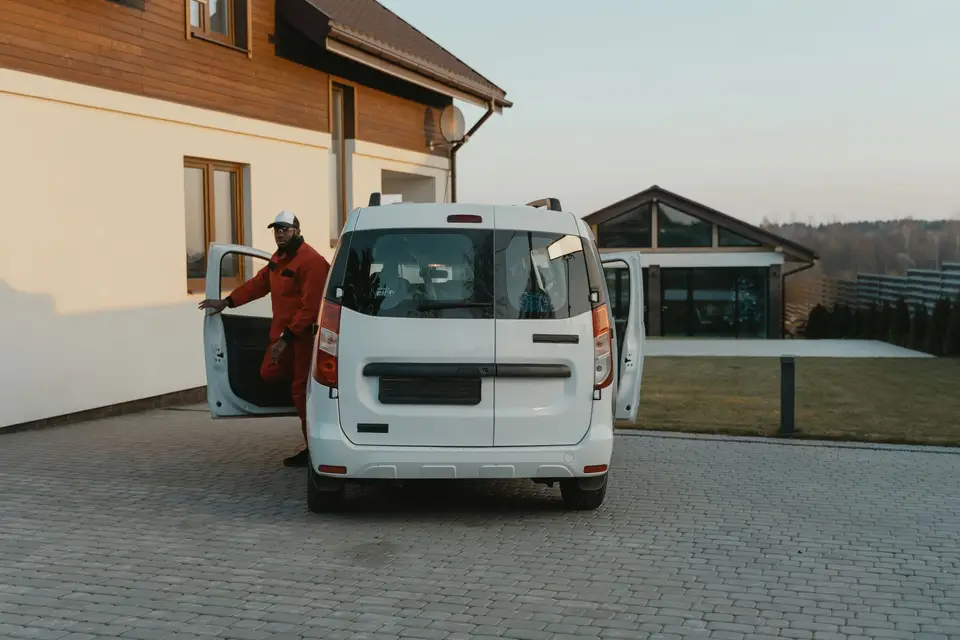
Emergency heating and AC repair in Cobb County comes down to two kinds of days. One is the January cold snap, when the low drops into the teens, every furnace in the county runs flat out and the weakest ones quit overnight. The other is the August heat wave, when the afternoon heat index tops 100 and an air conditioner that limped through July finally gives up. On both days the phone rings early and keeps ringing, and the order we answer it in matters.
Who goes first
A home without heat or cooling is uncomfortable for anyone, but it is dangerous for some people. When the schedule fills, calls go in this order:
- Homes with a baby, an older adult, someone ill or someone who relies on medical equipment.
- Homes with no heat when it is near or below freezing, or no cooling when the heat index is past 100.
- Active water leaks from an attic air handler, because a ceiling can come down.
- Everything else, in the order the calls came in.
Tell us on the phone if anyone in the home is at risk. It changes where you are on the board.
What you hear before you agree
Before anyone drives out, the person on the phone tells you three things: roughly when the tech can be there, what the after-hours visit fee is and whether the problem sounds like it can safely wait for a weekday visit. Some can. A heat pump that is blowing cool air on a mild night, or an air conditioner that cools but not as well as it should, is usually not worth the extra fee.
If you decide to book, the visit runs the same way as on a weekday. The tech takes readings, finds the fault, writes the repair price down and starts work only after you agree to it. An emergency visit is not a reason to skip the written price.
What we carry for nights and weekends
The vans that run after hours carry the parts behind most emergency calls: capacitors, contactors, igniters, flame sensors, pressure switches, float switches, fan motors in common sizes, fuses and drain fittings. That covers the majority of no-heat and no-cooling calls, so most homes have a running system the same visit.
When the failed part is not on the van, such as a compressor, a control board for a specific model or an inducer motor, the tech looks for a safe way to restore heat or cooling until it arrives. A dual fuel system can run on the furnace alone. A heat pump can often run on its backup heat strips. Two-story homes with two systems can sometimes share the load for a night with the doors open. The tech explains the temporary setup and what it will cost to run.
Safety first, comfort second
Some faults are not fixed at night because they cannot be made safe in one visit. A furnace with a cracked heat exchanger, a gas leak at the appliance or a flue that sends exhaust back into the house is shut off and tagged. In that case the tech helps you find a safe temporary heat source, such as a portable electric heater on its own circuit, and the written replacement quote follows the next day.
If you smell gas at any point, leave the house, call the gas company or 911 from outside and wait for them to clear the home before calling us.
While you wait
In a cold snap: close curtains and blinds, shut the doors to unused rooms, lay a towel along drafty doors and gather in one room. Let faucets on outside walls drip so the pipes do not freeze. Never warm the house with a gas oven, a grill or a heater meant for outdoors.
In a heat wave: close the blinds on the sunny side, run ceiling fans, stay on the lowest floor, drink water and check on anyone older or unwell. If the outdoor unit is humming but not spinning, turn the system off at the thermostat so the compressor does not overheat.
With a leak from the attic: switch the system off, put a bucket under the drip and move anything valuable out from under the stain. If the ceiling is sagging, keep people out of that room.
After the emergency
Once the system is running, the tech checks it through a full cycle and leaves a note of what failed and why. Many emergency calls trace back to a part that was already weak months earlier. A spring and fall check on a maintenance plan finds most of them on a mild day, and plan members go to the front of the list when something does break. If the emergency was the latest in a long run of repairs, the system replacement page explains how we price a new system side by side with one more repair.
Where we work
- Emergency repair in Marietta, GAFrom the older brick homes near the Square to the newer neighborhoods out toward East Cobb, we repair, tune up and replace heating and cooling systems across Marietta.
- Emergency repair in Kennesaw, GATwo-story homes from the 1990s and 2000s with the furnace in the attic and a second system upstairs, many of them now reaching the age where parts start to fail.
- Emergency repair in Smyrna, GATownhomes, renovated ranches and new infill houses close to the city, where tight closets and crawlspace ducts shape every repair.
Guides
Questions about emergency repair
What counts as an emergency?
No heat when the temperature outside is near freezing, no cooling in a heat wave with someone at risk in the home, water coming through a ceiling from the attic unit, or a burning smell from the furnace or the outdoor unit. If you smell gas, leave the house and call the gas company first.
How much more does an after-hours visit cost?
The evening and weekend fee is higher than the weekday visit fee, and you hear the exact amount on the phone before you book. The repair itself is priced in writing on site, the same way as on a weekday. If the problem can safely wait until morning, we tell you so.
What should I do while I wait for the tech?
In winter, close the blinds, shut the doors to rooms you are not using and keep everyone in one warm room. Never use a gas oven or an outdoor heater to warm the house. In summer, keep the blinds closed, run ceiling fans and drink water. If the attic unit is leaking, turn the system off and put a bucket under the drip.
Can you always fix it the same night?
Not always. Most emergency calls end with the system running the same day, because the common parts are on the van. When a part has to be ordered, the tech makes the home safe and tells you when the part will arrive, and on a heat pump the backup heat can often keep the house warm meanwhile.